Making Something From Nothing
How to Cook With What You Have and Turn a Fridge Scan Into Dinner
There’s a moment before almost every meal when I open the fridge and just look. A half onion. Some greens that need using. A wedge of cheese. Some leftover beans. Nothing that looks like dinner…… yet.
This is where cooking really begins. It’s not just ingredients, it’s dinner.
Good cooks don’t always start with recipes. More often, they start with what’s already in the kitchen and ask a simple question: what can this become? A quick scan of the fridge and pantry turns into a mental process - finding the anchor, building & balancing flavor, and turning a handful of ordinary ingredients into a real meal.
Learning to cook with what you have is one of the most useful skills a home cook can develop. It makes weeknight cooking easier, reduces waste, and turns the everyday act of making dinner into something creative instead of stressful.
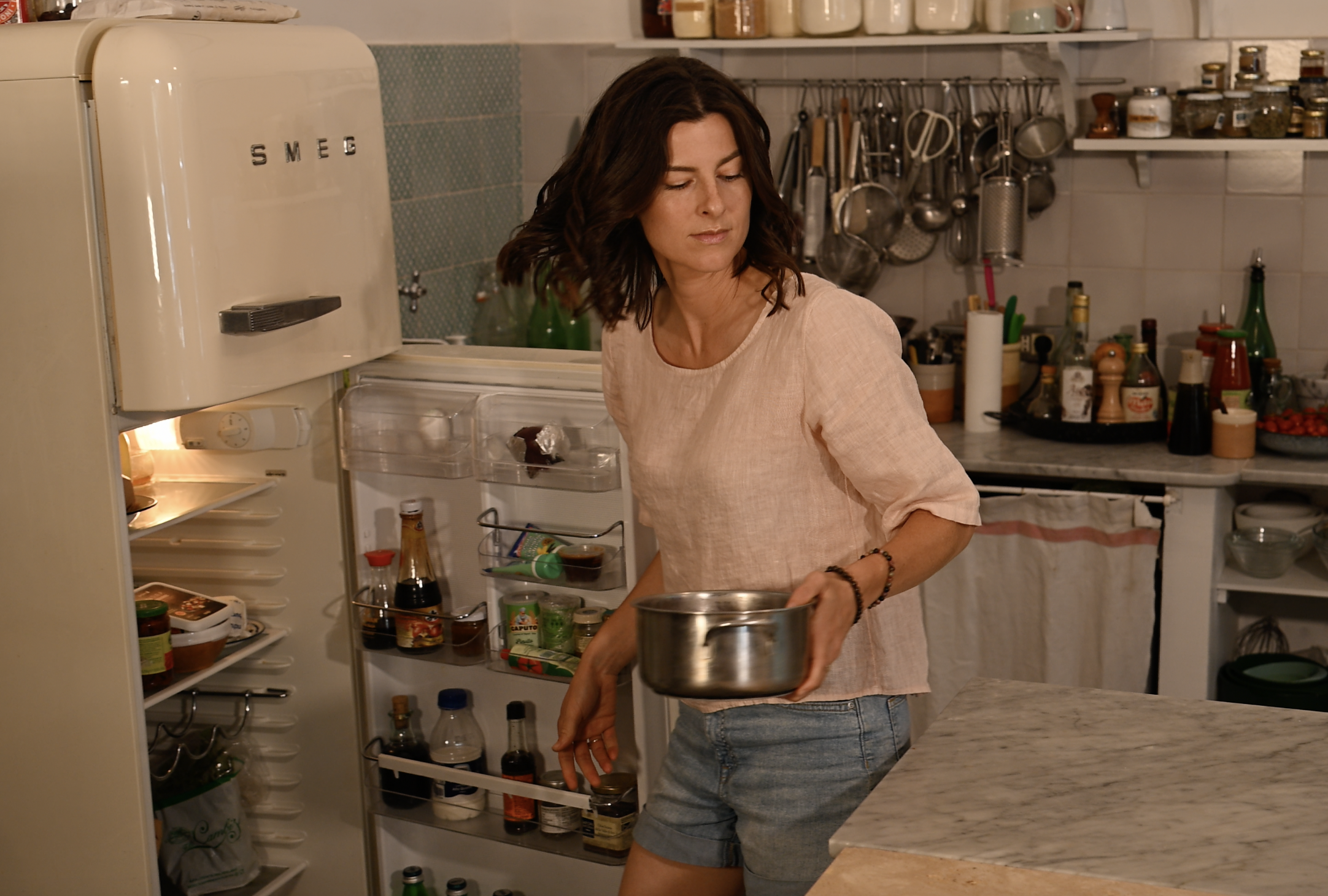
Survey the scene
The Fridge Scan: Where the Meal Begins
You know that moment… you open the fridge, stare into the abyss, and think: what can I make out of this?
We’re all about cooking with what you have. That’s where the creative process starts. My mental mode for making something outta nothing kicks in.
Step 1: Scan What Ya Got
I start by doing a quick mental inventory: fridge, pantry, counter.
What’s hanging around? What’s on its last legs? What feels exciting today?
I’m not thinking recipe yet - just ingredients. I start lining things up in my head and imagining how they might jive together. I see those leftover bits and bobs as assets, as building blocks.
Step 2: Build the Framework
Once I see what I’ve got, I think in loose categories:
Where’s the veg?
What’s the carb?
Is there a protein?
Do we need a sauce, condiment, or garnish?
How’s the texture - crunchy, soft, saucy, crisp?
Where’s the ‘umph’ - salt, acid, heat, fat, or funk?
I’m looking for balance - flavor, texture, feeling. I want a meal that makes sense together, not just a pile of ingredients. And often, less is more.
Step 3: Think Mood + Season
Often the decision depends on vibe or circumstance.
Is it a cold, cozy night in? A quick weekday work lunch? A long lazy Sunday? A piping hot summer day?
That helps steer the direction and utilize best the time at disposition.
Step 4: Mise en Place and Go
Once I’ve got a loose idea, I set myself up - a quick mise en place (usually clearing some counter space and grabbing what I need, so I see it all laid out).
Imagine the whole process from start to finish so you know what needs to start happening first versus later along the way. Then, start cooking and adapt along the way. Taste, tweak, adjust.
*If it sounds daunting, this is why we created theCook Confident Coursein the first place.
Here’s an example. Leftovers = Lunch. The other day, I opened the fridge and spied:
A wilting head of chicory
A block of tofu
Soy sauce & chili crisp, and Turkish spices & olive oil in the pantry (if I don’t have olive oil, I’m truly lost in life)
Some cooked whole-grain rice
Here’s how my brain connected the dots:
Carb: rice → base
Protein: tofu → needs crisping
Veg: chicory → bitter, so balance it
Flavor base: olive oil, garlic, spices, chili, soy → savory, salty, spicy
I quick-blanched the chicory (then dragged it through olive oil, garlic, and chili), and browned the tofu in olive oil with a Turkish spice blend, then hit it with soy sauce. I heated up the rice and it all came together as this super savory bowl dolloped with chili crisp.
Perfect for a weekday when my husband and I were both working from home. Easy and satisfying.
The Skill That Makes Weeknight Cooking Easier
Cooking like this is really about curiosity and practice.
The more you do it, the more natural it becomes to see connections - to feel what goes together. Improvisational cooking isn’t about making things up randomly. It’s about learning how ingredients work so you can cook without a recipe when you need to.
Start with what you have, build around it, and let the vibe guide you. You’ll find that simple meals from basic ingredients are often the most satisfying - and dinner becomes a lot easier to pull together.
Try These Ideas Next Time
If you’re looking for more ways to practice cooking with what’s in your fridge, start small. Try making easy meals from pantry ingredients, or challenge yourself to cook dinner with random ingredients you already have. Even simple experiments, like improvising a sauce or jazzing up a leftover grain bowl, can teach you the basics of improvisational cooking. Over time, you’ll get more confident cooking without a recipe, and these small experiments will turn into reliable weeknight dinner ideas with leftovers.
Cooking With What You Have: Common Questions
-
Start by identifying a base ingredient like pasta or rice, then build around it with vegetables, proteins, and flavor builders. The goal is balance.
-
Cooking with what you have means using the ingredients already in your fridge and pantry instead of starting with a recipe or shopping list. It’s a flexible way of cooking that encourages creativity, reduces food waste, and helps you become more confident in the kitchen.
-
Many pantry staples - beans, grains, canned tomatoes, olive oil, spices - can form the base of quick meals. Add whatever fresh ingredients you have available and build flavor with salt, acid, fat, and heat. Grab our free ‘must have’s guide’ to see what we have on forever rotation.
-
At first it can feel unfamiliar, but it becomes easier with practice. The more you cook, the more you start recognizing patterns - how ingredients work together and how simple techniques can turn basic ingredients into a satisfying meal.
Most good home cooking doesn’t come from perfectly planned recipes. It comes from learning how to look at what’s in front of you and imagine what it could become. Those ‘random ingredients’ are the beginning of a meal. Once you start seeing your kitchen this way, cooking gets easier, faster, and a lot more enjoyable. It’s less about following instructions and more about understanding how food works. And that’s a skill anyone can learn.
If you’re ready to deep dive, and master turning everyday ingredients into flavorful, balanced meals, join our full course!
#CookWhatYouHave #FridgeForaging #NoRecipeCooking #KitchenConfidence #KitchenCreativity #CucinaPovera #ThinkLikeACook #pizzamoonrising